
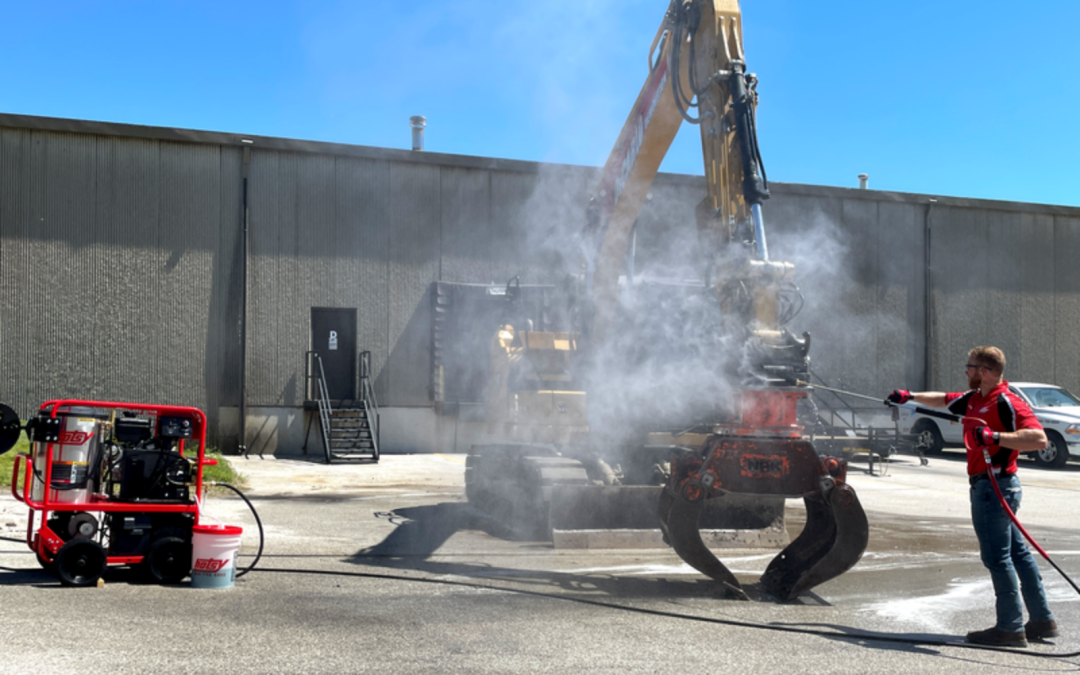
When investing in a pressure washer for commercial cleaning, choosing between hot water and cold water pressure washers can make a major difference in performance, cost, and results. Whether you’re cleaning restaurant exteriors, industrial equipment, or heavy-duty facilities, understanding how each type works will help you select the right equipment for your needs.
In this guide, we’ll break down the key differences between hot and cold water pressure washers, why they matter for commercial applications, and how to choose the best solution for your business.
What Is a Cold Water Pressure Washer?
Cold water pressure washers use pressurized water at ambient temperature to remove dirt, grime, and loose particles from surfaces. These are the most common units used for general cleaning tasks.
Benefits of Cold Water Pressure Washers for Commercial Use
- Lower cost equipment and operation: Cold water units typically cost less to purchase and maintain.
- Energy efficient: Since they don’t heat water, they save energy.
- Ideal for light to medium cleaning: Perfect for storefronts, sidewalks, vehicles, and routine maintenance jobs.
Cold water pressure washers are reliable workhorses for general cleaning needs, especially when grease and oil buildup is minimal.
What Is a Hot Water Pressure Washer?
Hot water pressure washers heat the water before it reaches the nozzle, significantly increasing the cleaning power. This added heat can break down stubborn contaminants that cold water units struggle with.
Why Hot Water Matters in Commercial Cleaning
- Better at cutting grease, oil, and grime: Heat loosens and dissolves heavy soils that cold water cannot easily remove.
- Faster cleaning speeds: Hot water reduces scrubbing time and improves overall efficiency.
- Sanitizing properties: High temperatures help kill bacteria and mold, ideal for food processing, kitchen exhaust, and sanitation-sensitive areas.
For businesses tackling heavy oils or industrial soils, hot water pressure washers offer performance cold water machines simply can’t match.
Hot Water vs Cold Water: Key Comparisons
Understanding the differences will help you make an informed commercial equipment purchase:
| Feature | Cold Water Pressure Washers | Hot Water Pressure Washers |
|---|---|---|
| Cleaning Power | Good for everyday dirt | Excellent for oil, grease, and tough soil |
| Temperature | Ambient | Heated up to 200°F+ |
| Cost | Lower upfront & operating costs | Higher investment, but greater performance |
| Best Uses | Sidewalks, exteriors, vehicles | Industrial kitchens, machinery, heavy equipment |
| Sanitization | Limited | Strong sanitizing capability |
When to Choose a Cold Water Pressure Washer
Cold water pressure washers are perfect for:
- Routine exterior cleaning
- Removal of surface dirt and debris
- Washing vehicles and light equipment
- Budget-friendly operations with minimal grease buildup
If your commercial cleaning tasks are mostly general surface cleaning without heavy grease or oily buildup, a cold water pressure washer is a cost-effective choice.
When to Choose a Hot Water Pressure Washer
Hot water pressure washers are ideal for:
- Industrial facilities with heavy grease or oil contamination
- Restaurants, food processing, and kitchens where sanitation is critical
- Equipment maintenance with stubborn or baked-on soils
- Jobs that demand faster, deeper cleaning
Investing in a hot water pressure washer pays off when cleaning intensity and sanitization are mission-critical.
Commercial Pressure Washers for Every Application
From dependable cold water units to high-performance hot water systems, we offer equipment designed for real-world commercial and industrial cleaning. Our specialists help match the right machine to your specific cleaning needs and budget, ensuring performance, efficiency, and long-term reliability.
Whether tackling routine cleaning or demanding degreasing applications, the right equipment makes all the difference.
Choosing the Right System
Cold water pressure washers deliver efficient, economical cleaning for most surfaces.
Hot water pressure washers excel at breaking down grease, oils, and stubborn contaminants while supporting sanitation-focused tasks.
Selecting the proper system ensures better results, improved efficiency, and reduced cleaning time.